
CBD oil has become a popular hemp-derived product, but many people are curious about what actually happens before it reaches the bottle. How does a hemp plant become CBD oil? What happens during extraction? How is CBD separated, refined, and tested?
Understanding how CBD oil is made can help consumers make better-informed decisions when comparing products. From growing and harvesting hemp to extraction, filtration, formulation, and laboratory testing, several steps can influence the final product.
This guide explains the CBD oil manufacturing process in simple terms, from the hemp plant to the finished bottle.
What Is CBD Oil Made From?
CBD oil is generally made using hemp-derived CBD extract combined with a carrier oil.
The hemp plant contains naturally occurring compounds called cannabinoids. One of these compounds is cannabidiol, or CBD. Hemp can also contain other cannabinoids, terpenes, flavonoids, and plant compounds.
The final CBD oil depends on factors such as:
- The hemp variety used
- How the hemp is cultivated
- Which parts of the plant are processed
- The extraction method
- How the extract is purified
- The cannabinoid profile
- The carrier oil used
- Manufacturing and testing practices
This means two CBD oils can look similar but have different compositions.
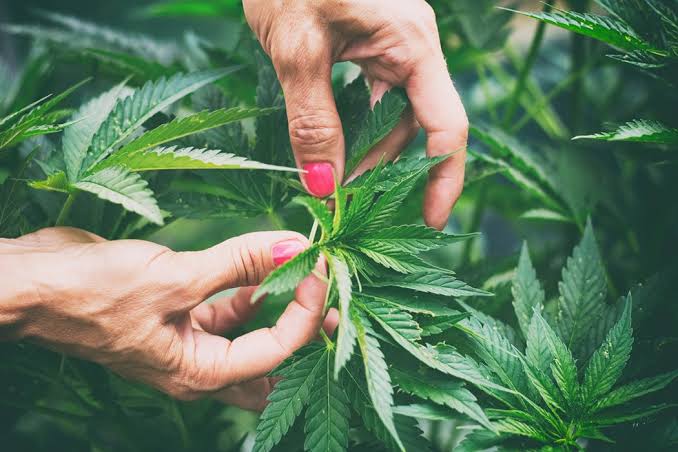
Step 1: Growing the Hemp Plant
The process starts with hemp cultivation.
Hemp is a variety of the cannabis plant that is grown under specific agricultural and regulatory requirements. Farmers select suitable hemp varieties based on characteristics such as cannabinoid production, growing conditions, and intended use.
During cultivation, factors such as soil, water, climate, harvesting practices, and agricultural methods can influence the quality of the plant material.
For manufacturers, starting with consistent and well-managed plant material is an important part of producing a consistent CBD extract.
Step 2: Harvesting the Hemp
Once the hemp plants reach the appropriate stage, they are harvested.
The timing of harvest can be important because cannabinoid levels can change as the plant matures. Manufacturers and growers may monitor the plants to determine an appropriate harvesting period.
After harvesting, the plant material needs to be handled and stored properly before extraction.
Poor storage conditions can affect the quality of botanical material, which is why controlled processing and storage practices matter.
Step 3: Preparing the Plant Material
Before extraction, harvested hemp may undergo several preparation steps.
The plant material can be:
- Dried
- Trimmed
- Milled or ground
- Stored under controlled conditions
- Prepared for extraction
The purpose of these steps is to create consistent plant material that can be processed efficiently.
Depending on the manufacturing process, different parts of the hemp plant may be used. Manufacturers may focus on plant material containing higher concentrations of cannabinoids and other desirable compounds.
Step 4: Extracting CBD From Hemp
This is one of the most important stages in CBD oil production.
Extraction separates cannabinoids and other compounds from the hemp plant material.
Several extraction methods can be used, but the technology and conditions vary between manufacturers.
1. CO₂ Extraction
Carbon dioxide, commonly known as CO₂, can be used as an extraction solvent under controlled pressure and temperature conditions.
This method is widely used for producing botanical extracts because the process can be carefully controlled.
The resulting extract may contain CBD along with other compounds from the hemp plant, depending on the extraction conditions and starting material.
2. Ethanol Extraction
Ethanol can also be used to extract cannabinoids and other plant compounds.
After extraction, the ethanol needs to be removed from the extract through appropriate processing.
3. Other Extraction Methods
Other techniques may also be used in the hemp industry. The suitability of an extraction method depends on factors such as the desired product, equipment, plant material, and manufacturing process.
The extraction method alone does not determine whether a finished CBD oil is high quality. Proper purification, testing, and manufacturing controls are also important.
Step 5: Filtering and Purifying the Extract
The initial hemp extract is not necessarily ready to become CBD oil.
It may contain plant materials, waxes, fats, chlorophyll, and other compounds that manufacturers may want to remove or reduce.
The extract can therefore undergo additional processing and filtration.
The exact purification process depends on the type of CBD product being produced.
For example, manufacturers may use additional processing to create a more refined CBD extract or to achieve a particular cannabinoid profile.
Step 6: Decarboxylation
Decarboxylation is another important step that may be used during cannabinoid processing.
In the hemp plant, cannabinoids can occur in acidic forms. Heat can cause chemical changes that convert acidic cannabinoids into their neutral forms.
For example, CBDA can be converted into CBD through decarboxylation.
The process needs to be carefully controlled because excessive heat can affect certain compounds in the extract.
Step 7: Refining the CBD Extract
After initial extraction and processing, manufacturers may further refine the extract depending on the desired product.
The goal may be to:
- Increase CBD concentration
- Reduce unwanted compounds
- Adjust the cannabinoid profile
- Produce a specific type of CBD extract
This stage helps determine whether the final product will be full-spectrum, broad-spectrum, or CBD isolate.
1. Full-Spectrum CBD Oil
Full-spectrum CBD products generally contain CBD along with other naturally occurring compounds found in hemp.
Depending on the product and applicable regulations, full-spectrum products may contain small amounts of THC.
They may also contain other cannabinoids, terpenes, and plant compounds.
2. Broad-Spectrum CBD Oil
Broad-spectrum CBD products generally contain CBD and other hemp compounds but are formulated to remove THC.
However, the exact composition can vary between products, so consumers should check the product label and laboratory testing information.
3. CBD Isolate
CBD isolate is a highly purified form of CBD intended to contain CBD without other cannabinoids.
The production process for isolate generally involves additional purification steps to separate CBD from other compounds.
Step 8: Combining CBD Extract With a Carrier Oil
Once the CBD extract reaches the desired specifications, it can be formulated into CBD oil.
CBD extract is commonly combined with a carrier oil.
Common carrier oils include:
1. MCT Oil
MCT oil is frequently used because it has a relatively neutral taste and works well in oil-based formulations.
2. Hemp Seed Oil
Hemp seed oil is another carrier oil used in some CBD products. It comes from hemp seeds and is different from CBD extract.
3. Olive Oil
Some CBD oil formulations use olive oil as their carrier.
The choice of carrier oil can affect the product’s taste, texture, and overall formulation.
Step 9: Adjusting the CBD Concentration
CBD oils are available in different strengths.
For example, products may contain:
- 250 mg CBD
- 500 mg CBD
- 1,000 mg CBD
- 2,000 mg CBD
- Higher concentrations
These numbers generally describe the total amount of CBD in the bottle.
Manufacturers calculate and adjust the formulation to achieve the desired CBD concentration.
It is important to understand that a bottle labeled 1,000 mg CBD oil does not mean that 1,000 mg is intended to be taken as a single serving. The amount of CBD per serving depends on the bottle size and product instructions.
Step 10: Flavoring and Additional Ingredients
Some CBD oils are sold in their natural form, while others contain additional ingredients to improve taste or create a particular product experience.
Depending on the formulation, these may include:
- Natural flavors
- Botanical ingredients
- Terpenes
- Sweeteners
- Additional cannabinoids
Consumers should always check the complete ingredient list before purchasing or using a CBD oil.
Step 11: Laboratory Testing
Laboratory testing is an important part of quality control.
A finished CBD oil can be tested to determine its cannabinoid profile and check for certain unwanted contaminants.
Testing may examine:
- CBD concentration
- THC content
- Other cannabinoids
- Pesticides
- Heavy metals
- Microbial contamination
- Residual solvents
The exact testing panel varies by manufacturer and product.
A Certificate of Analysis (COA) can provide useful information about a specific batch of CBD oil.
What Is a Certificate of Analysis?
A Certificate of Analysis is a laboratory report that provides information about a tested product or batch.
When reviewing a CBD product, consumers can look for a COA that corresponds to the specific batch or lot number on the bottle.
A useful COA may provide cannabinoid information and details about other tests performed.
This is one reason transparency is important when choosing CBD oil.
Step 12: Bottling and Packaging
After the CBD oil has been formulated and tested, it can be bottled and packaged.
CBD oils are commonly sold in small bottles with droppers or other dispensing systems.
Packaging should protect the product from factors that may affect its quality, such as excessive light, heat, and air.
Manufacturers may also provide storage instructions on the packaging.
Consumers should follow those instructions after purchasing the product.
What Determines the Quality of CBD Oil?
The quality of a CBD oil is influenced by more than its CBD concentration.
Several factors can contribute to the final product, including:
1. Quality of Hemp
The starting plant material can affect the composition of the extract.
2. Extraction Process
The extraction technique and processing conditions influence which compounds are extracted and retained.
3. Purification
Additional processing can affect the final cannabinoid and plant-compound profile.
4. Formulation
The choice of carrier oil and additional ingredients can affect the finished product.
5. Testing
Laboratory testing can provide information about the product’s cannabinoid content and certain contaminants.
6. Manufacturing Practices
Consistent manufacturing and quality-control procedures are important for producing reliable products.
Why Does CBD Oil Have Different Colors?
CBD oil can vary in color depending on its formulation and the compounds present in the extract.
Some oils may appear:
- Clear
- Golden
- Yellow
- Amber
- Greenish
Color alone does not tell you whether a CBD oil is high quality or low quality.
The color can be influenced by the extraction and purification process, carrier oil, plant compounds, and other ingredients.
Instead of judging a CBD oil solely by appearance, check its label, ingredients, cannabinoid information, and available testing.
Does the Extraction Method Affect CBD Oil?
Yes, the extraction method can influence the composition of the resulting extract.
Different extraction methods can pull different compounds from hemp and may require different purification steps afterward.
However, saying that one extraction method automatically produces the best CBD oil oversimplifies the manufacturing process.
The quality of the starting material, extraction controls, purification, formulation, testing, and storage can all contribute to the final product.
How Is CBD Oil Different From Hemp Seed Oil?
The terms hemp oil and CBD oil can sometimes cause confusion.
CBD oil contains cannabidiol extracted from hemp or cannabis plant material.
Hemp seed oil is made from hemp seeds and naturally contains very little CBD.
Hemp seed oil can be used as a carrier oil in some CBD products, but it should not be confused with CBD extract.
Checking the ingredient list and cannabinoid information can help you understand what a product actually contains.
How to Choose a Quality CBD Oil
Understanding the manufacturing process can also help you evaluate products before buying them.
Look for a CBD oil that provides:
- Clear CBD concentration information
- A complete ingredient list
- Clearly identified manufacturer information
- Batch or lot information
- A relevant Certificate of Analysis where available
- Information about cannabinoid content
- Appropriate storage instructions
- Transparent product labeling
Be cautious about products that make unrealistic health claims or provide little information about their ingredients and testing.
A higher CBD concentration does not automatically mean a better product.
Does More CBD Mean Better Quality?
No.
A product containing 2,000 mg of CBD is not automatically better than a product containing 500 mg.
CBD concentration tells you how much CBD is present, but it does not tell you everything about product quality.
When comparing products, consider the entire formulation, including ingredients, cannabinoid profile, manufacturing practices, testing, and transparency.
What Happens to CBD Oil After It Is Made?
Once CBD oil is bottled, proper storage becomes important.
Exposure to excessive heat, light, or air may affect product quality over time.
To maintain the product according to the manufacturer’s recommendations:
- Keep the bottle tightly closed.
- Store it according to the label instructions.
- Avoid excessive heat.
- Keep it away from direct sunlight.
- Do not use the product beyond its stated shelf life.
Always follow the manufacturer’s specific storage recommendations.
Is CBD Oil Safe to Use?
CBD is generally well tolerated by many people, but it can cause side effects.
Potential side effects may include drowsiness, fatigue, dry mouth, diarrhea, changes in appetite, nausea, or digestive discomfort.
CBD may also interact with certain medications.
If you take prescription medicines, have an underlying health condition, are pregnant or breastfeeding, or are unsure whether CBD is appropriate for you, speak with a healthcare professional before using it.
CBD products should also be purchased and used according to applicable local laws and product regulations.
Also Read: CBD Oil vs CBD Treats for Dogs: Which Is Better?
Final Thoughts
The journey from hemp plant to CBD oil involves several stages. Hemp is cultivated and harvested, plant material is prepared, cannabinoids are extracted, and the extract may then be filtered, purified, refined, formulated, tested, and bottled.
Each stage can influence the composition and consistency of the final product.
For consumers, understanding how CBD oil is made makes it easier to evaluate different products. Instead of focusing only on the CBD milligram number, consider the source of the hemp, cannabinoid profile, ingredients, manufacturing information, laboratory testing, and overall product transparency.
A well-informed approach can help you choose CBD oil more carefully and understand exactly what you are purchasing.